
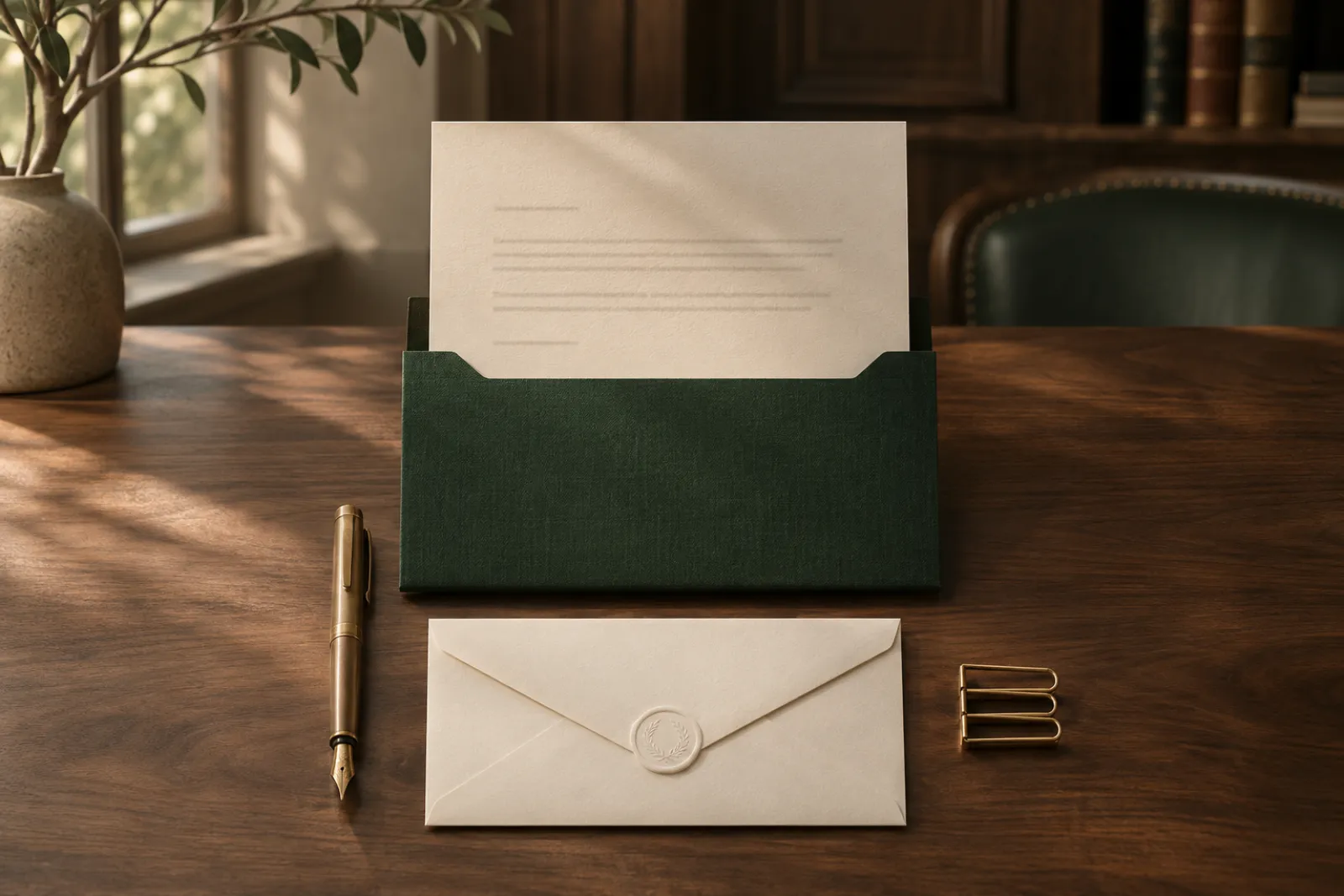


Three steps. We handle the work.
You tell us about the debt on a free call. We write the letter and mail it. Then we keep an eye on the clock.
- 1Tell us about the debt
- 2Review your letter
- 3We mail it and track the clock
- To get startedA free call
Step 1: Tell us about the debt
Fill out a short form and our team calls you for a free consultation. Have the collector's letter nearby if you have it.
- Who is collecting
- How much they say you owe
- Any account or reference number
- When their first notice arrived

Step 2: Review your letter
We write a clear, firm request in your name. Read every word before it goes out, and change anything you like.
- Asks the collector to verify the debt
- Asks for the original creditor's name and address
- Cites your rights under 15 U.S.C. § 1692g
- Uses plain words, not threats

Step 3: We mail it and track the clock
We print your letter and mail it with delivery tracking. You'll know when it arrives, and we keep an eye on the dates that matter.
- Mailed with delivery tracking
- Proof of the day it arrived
- Reminders when a date matters
- A team you can call with questions

How the 30-day clock works.
Timing matters most. Send your request inside the window and federal law makes the collector stop and show their records.
Day 1
Their notice arrives
The collector's validation notice lists the debt and your right to dispute it. Your 30 days start when you get it.
By day 30
Your letter goes out
Dispute in writing inside the 30 days. We mail it with tracking, so you have proof of the date.
Next
Collection pauses
The collector must stop collecting until they mail you verification of the debt.
Then
They prove it, or stay paused
The law sets no deadline for their reply. Until they send proof, they can't go back to collecting.
After the collector gets your letter.
Here is what each possible outcome means for you.
01
They send proof
Read it closely. Check the name, the amount and the dates. If it's right, you can decide what to do next: pay, set up a plan, or get advice. If something is wrong, you can dispute it.
02
They can't, or don't reply
They can't go back to collecting until they mail verification. If they keep calling or sending bills anyway, you can file a complaint with the CFPB or call us.
03
It's on your credit report
If they report the debt, they must show it as disputed. You can check your free reports at annualcreditreport.com to see how it shows.
The Consumer Financial Protection Bureau takes complaints about debt collectors at consumerfinance.gov/complaint.
We don't do credit repair.
We don't file disputes with the credit bureaus or promise to change your credit report.
A letter doesn't stop a lawsuit.
Been sued? Court deadlines still apply. Call us right away at (833) 794-6644.
We don't promise results.
Our letter makes the collector show their records. If they can prove the debt, it doesn't erase it.
We don't cover original lenders.
The law covers collectors and debt buyers. It usually doesn't cover the company you first borrowed from.
Ask for proof while the clock is on your side.
Answer a few questions and review your letter. We handle the printing, mailing and tracking.